
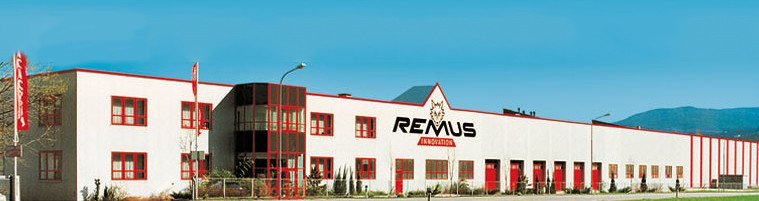
Remus Sportexhaust Manufacturing Tour
Deep in the center of Austria lies the beating heart of Remus Sportexhaust. Founded in 1990 with only 5 employees, within 5 years Remus became one of the largest aftermarket exhaust manufactures and acquired Sebring Technology in 1997. The Remus-Sebring group has now grown to represent one of the highest quality exhaust brands and manufactures in the world.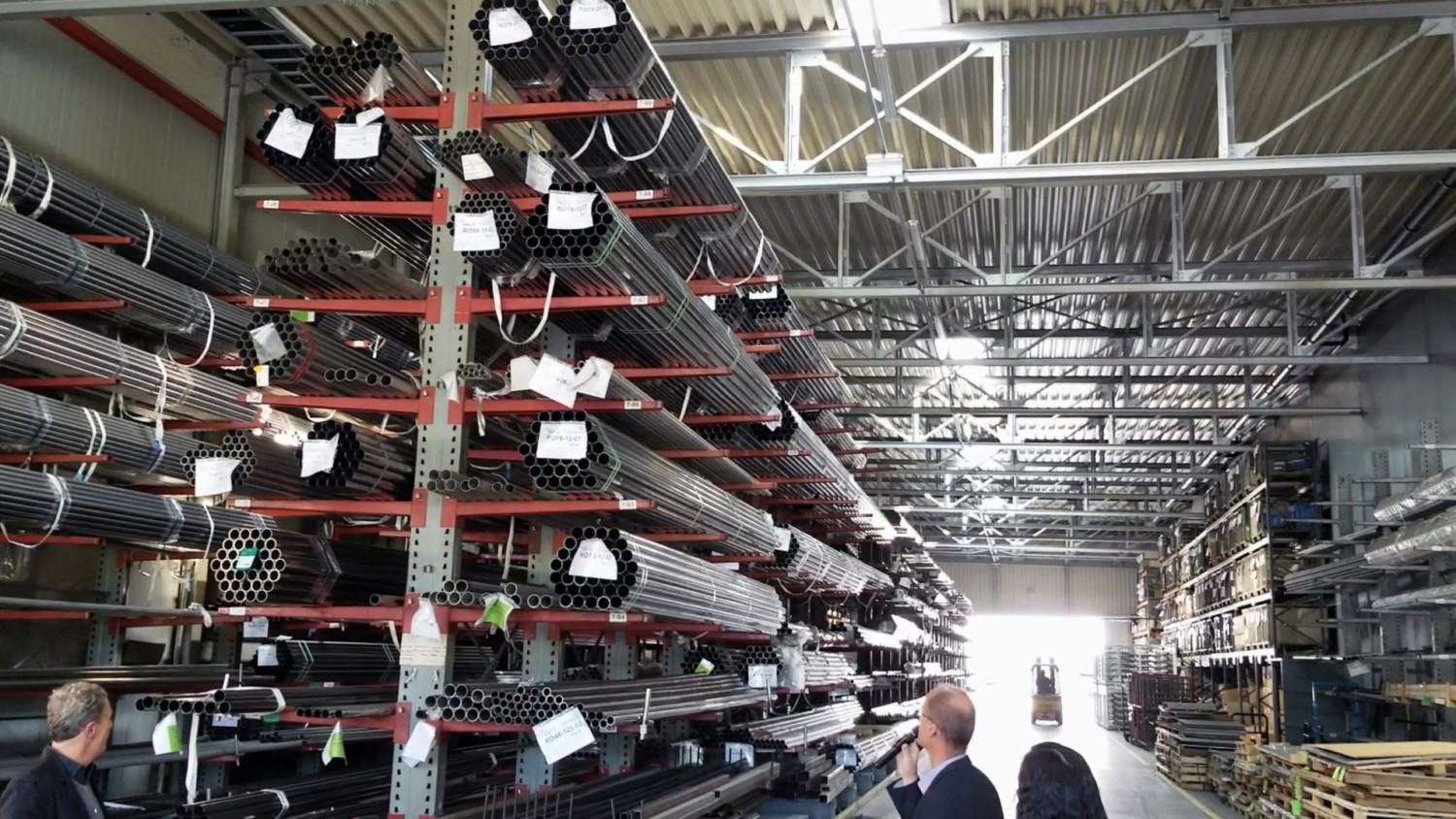 Now with a team of over 600 full time employees and some 17,000+ square meters of production, development, and warehouse space; Remus Innovations continues to maintain their market leading position as the go-to solution for high quality exhaust systems not only for local European vehicle manufactures, but US domestics and JDM vehicles alike.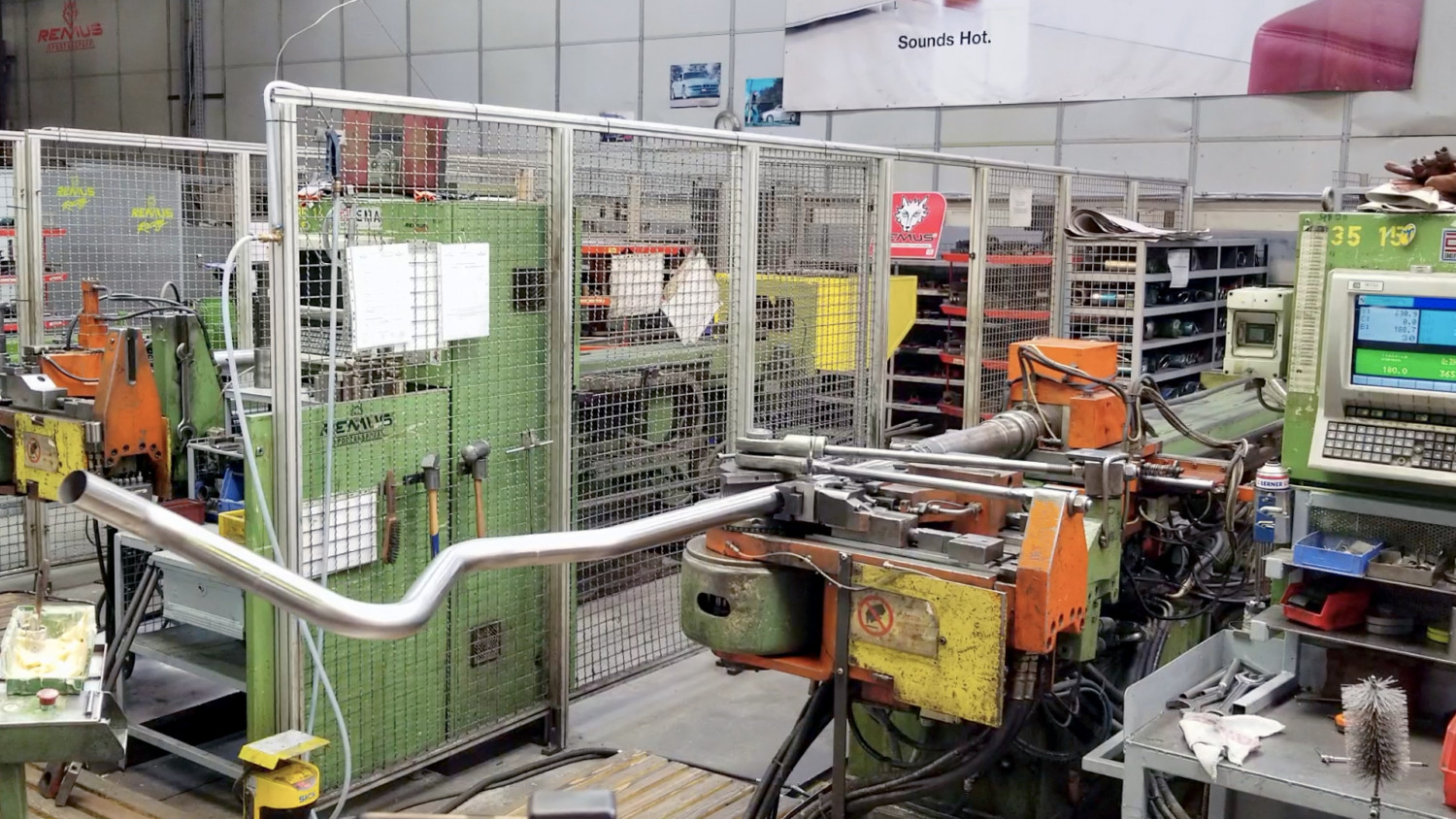
A World-Wide Power House
From this single location Remus ships out 90% of their manufactured systems to over 60 countries world-wide. Being successful is not easy however, Remus continues to stay ahead of the competition by developing new manufacturing techniques and processes to continually push their quality above and beyond the competition. This includes CNC mandrel tube bending, in-house carbon fiber manufacturing, shot-peening metal surface treatments, even the use of rare metals such as titanium and inconel. Over the last 25 years these techniques have been tested and perfected from their partnership with professional racing teams, enthusiast drivers, and OE Manufactuers alike.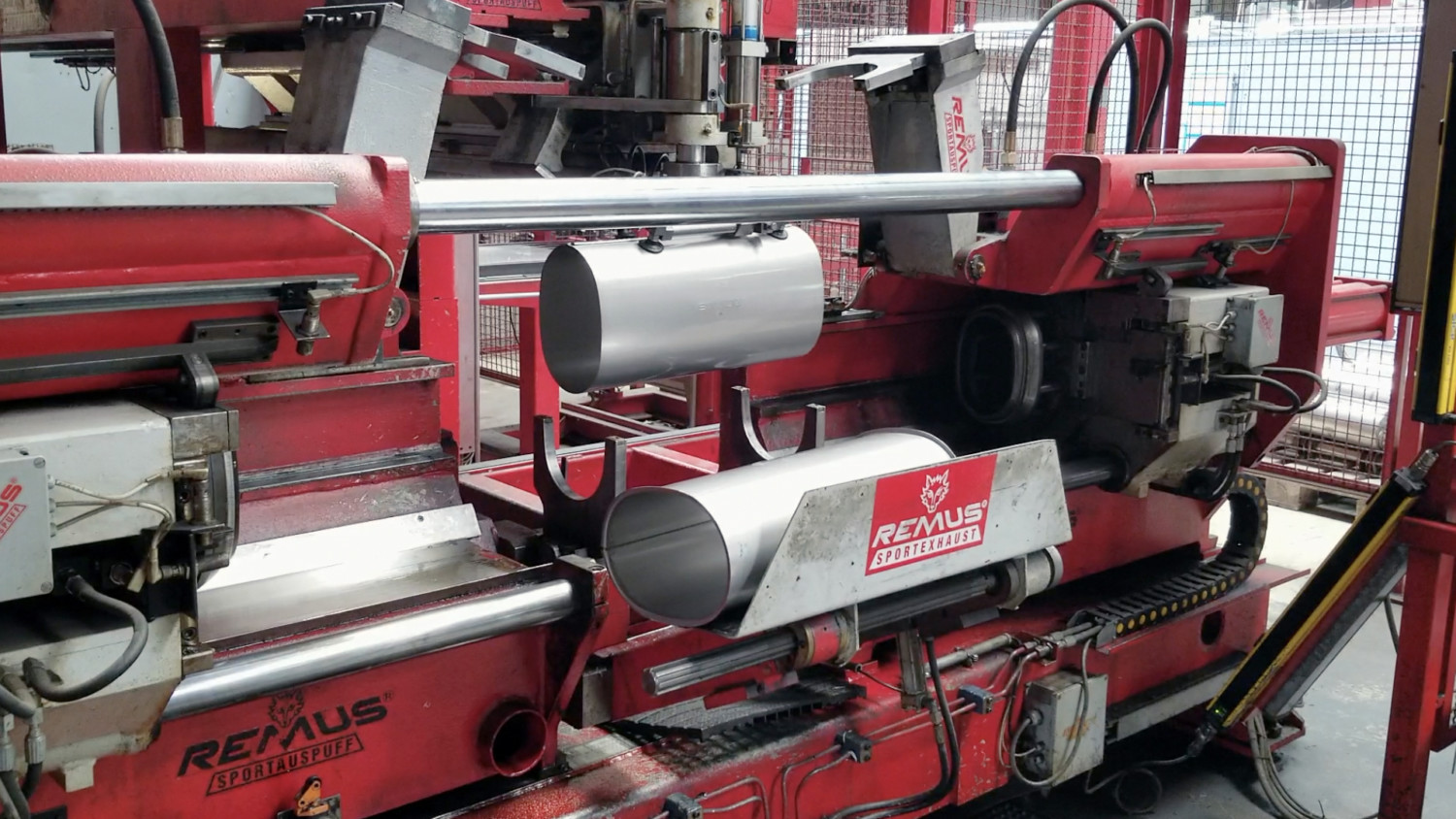 The level of versatility Remus has at their disposal to design, fabricate, and test every new exhaust system is really unprecedented. This is the kind of dedication to a product you only see when all work is done in-house by the manufacture. Remus is not one of those “private label brands” which simply smash a few generic mufflers to the end of a janky bent pipe and call it a day. You really get a sense that everybody working here is dedicated to the quality and reputation of their work. Bottom line, if OE Manufactures trust Remus to design and build their systems to exacting specs and packaging restraints, you know their quality is second to none.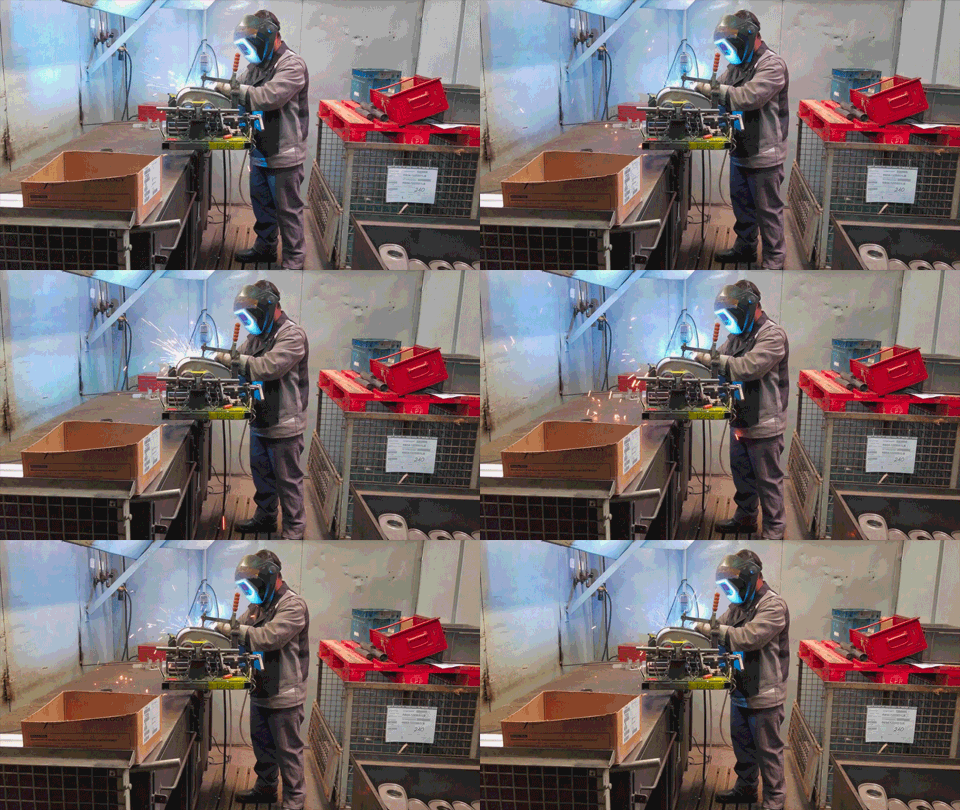
Tested & Certified
All Remus systems are built to such high standards that they each receive EC approval. The EC or European Commission is a large governing body responsible for proposing legislation and guidelines for all sorts of day-to-day business in Europe. One of those areas of focus is automobile related emissions and safety features. Since each cat-back system is EC approved, it has been shown to be a direct fit part for the vehicle they are intended for and will not cause additional emissions or damage to the vehicle once installed. 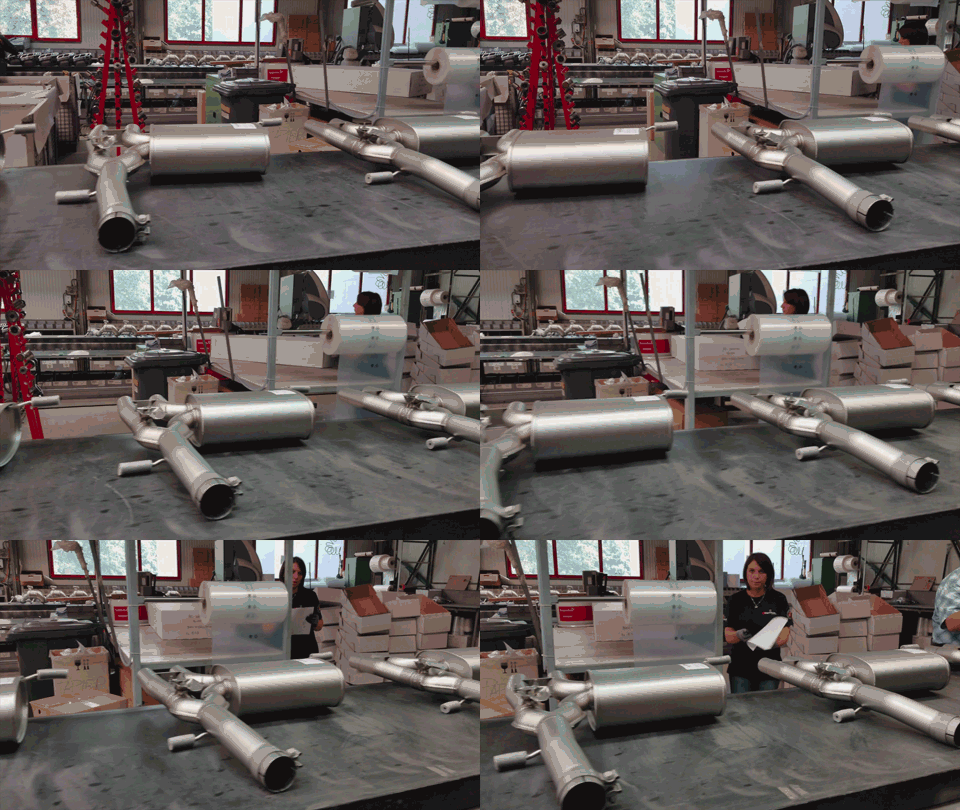
That being said, standards for Homologation and noise levels have been getting stricter each year. Testing methods have changed recently to include more documented details about what the system actually sounds like in real world use. In order to fulfill this part of EC testing, we have to take a peek at Remus’s second location just down the road, a place that is purely dedicated to sound design and development.
[nextpage title=”Continue To Page 2″]
Tuning For Sound and EC Homologation
Following the acquisition of Sebring Technology in 1997, Remus-Sebring Group began development of the new Sebring Technology Research & Development Center. Located a mere 5km to the south-east of Remus Sportexhaust’s manufacturing facility. This is where Remus is able to take an exhaust system from a test-fitted-concept to EC Certified product all in house. Sebring Technology has been around for over 50 years as a stand alone exhaust manufacture for both automobiles and motorcycles alike. Many OE Manufactures use their systems as Sebring is renown for their dedication to exhaust sound design and build quality.
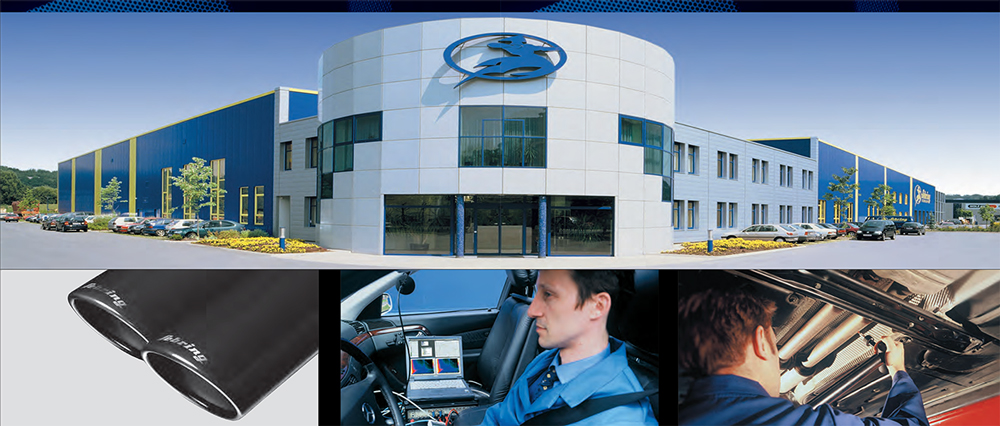
Built in 2002, the Research & Development center has the latest in exhaust sound testing and measuring equipment with their sound room being the star attraction. Inside this fully sealed temperature controlled and sound proof room, you’ll find enough technological wizardry to make your head spin. The room is called a “Semi-Anechoic Chamber” to provide an “infinite soundscape” with no echo between the 4 walls or ceiling.
Unlike a full echo canceling Anechoic chamber which has foam baffling on all 6 sides (which might be used for sound sampling a musician or sound effect), a Semi-Anechoic chamber is used to replicate the sound that may reflect off a road surface or form underneath a vehicle. This is to provide the most scientific representation of the true exhaust sound that a running vehicle would make with any given exhaust. 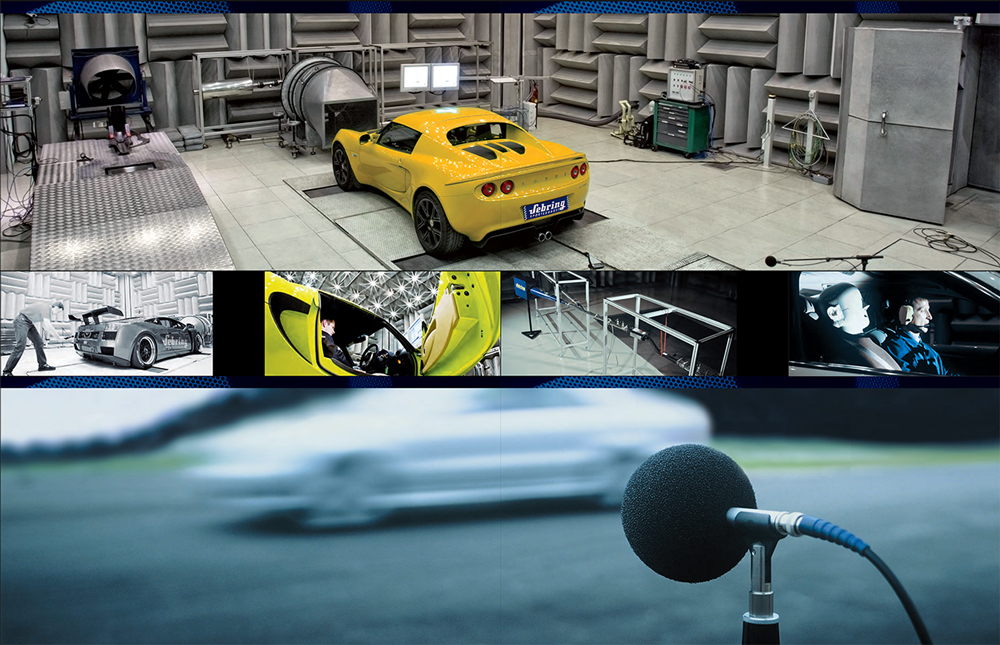
Tested In The Lab
Running a vehicle on the in-ground 4 wheel dyno, Remus engineers are able to listen and measure every change in an exhausts sound and timbre. This is done for two main reasons. Firstly, if a prototype design causes obnoxious sounds at a given RPM, sound engineers can find and isolate its location. In fact, they even use dummies in the vehicle with binaural microphones mounted to the sides of their head. This allows Remus engineers measure and critique the interior exhaust sound and isolate specific frequencies that may cause a harsh sound or drone.
These sound measurement systems use an array of microphones tied together in order to allow for “Beam Forming”, basically engineers can compile all the sound data into a visual representation of exactly where and how loud any given sound is. Truly amazing stuff.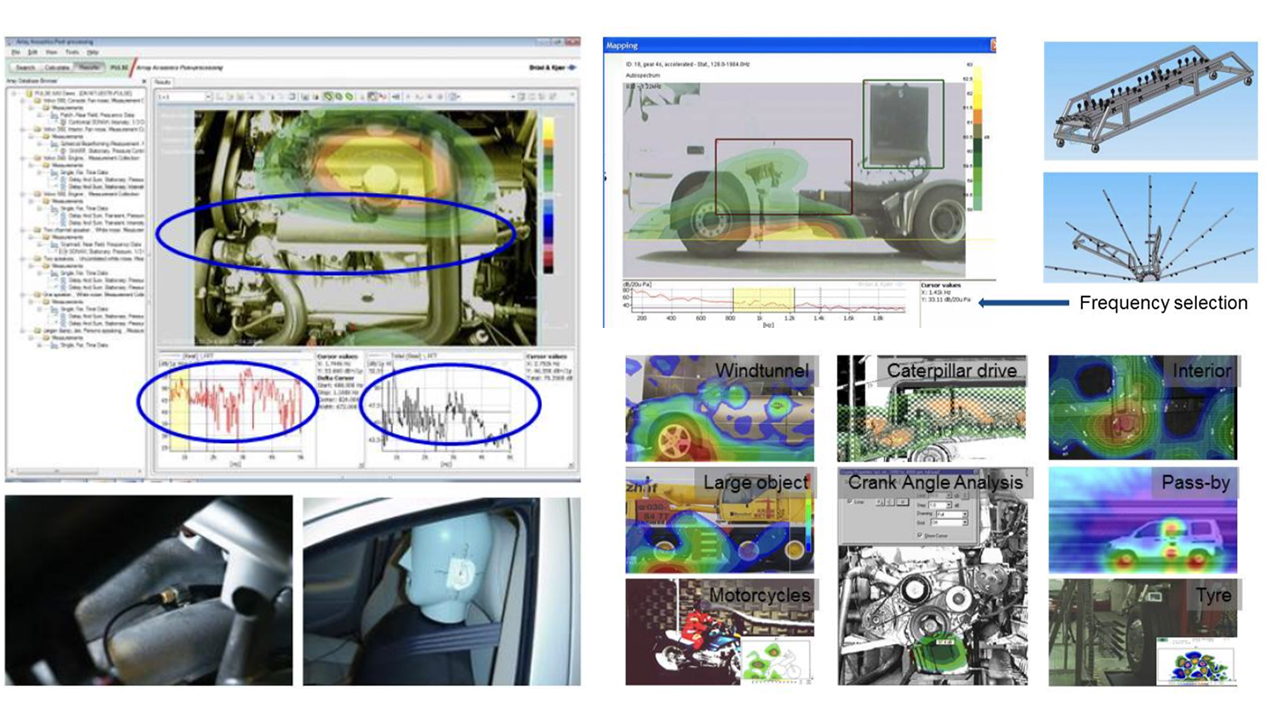
Tested In The Real World
The second reason for all this testing is actually much more important. You see, throughout Europe and many parts of Asia, local governments have very strict sound ordinance and regulations regarding the amount of sound a vehicle is allowed to emit. These standards have been in place for decades and have gotten progressively stricter as time has gone on. Aside from meeting these maximum dB limits, the actual testing process is quite a laborious endeavor. Some times this means recording several hundreds of indoor and outdoor sound samples as a vehicle is accelerating past a microphone array.
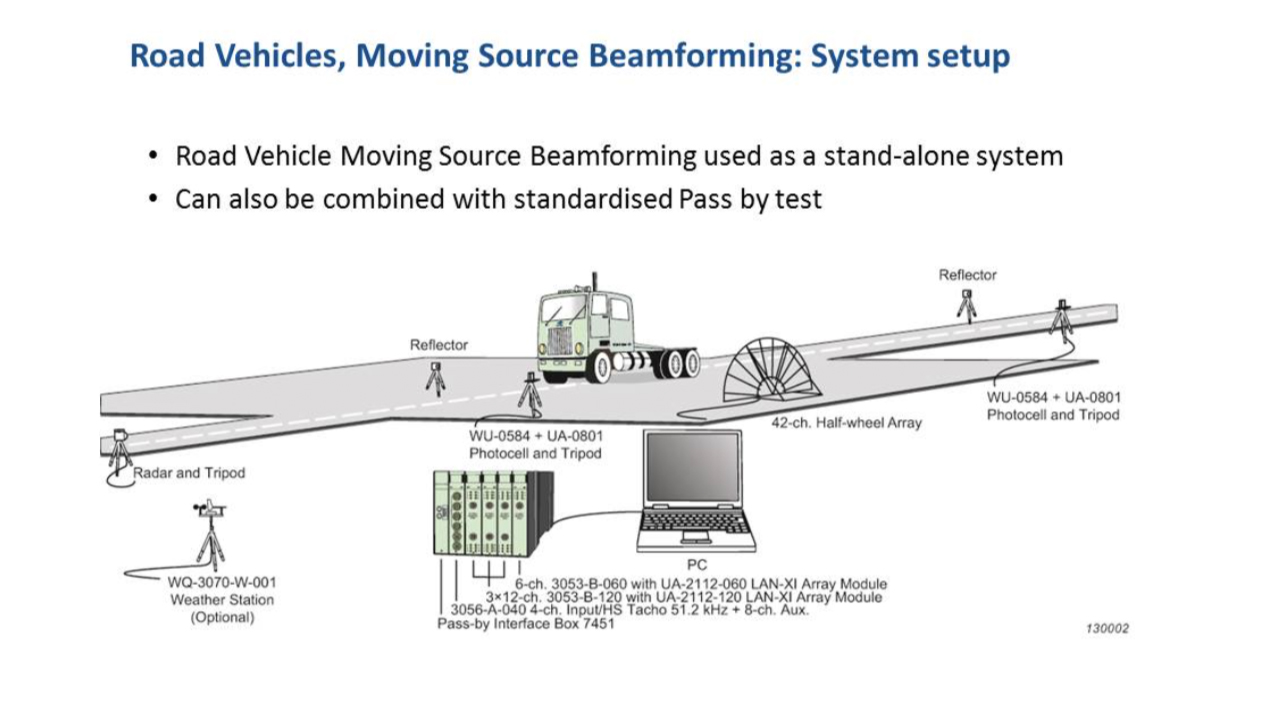
Vehicles have to run by these series of microphones down a certified standardized test track at different speeds, gears, and changes in acceleration. This is all part of the ASEP (Additional Sound Emissions Provisions) testing, and is done to accurately recreate the kinds of engine and vehicle noises heard in the real world. The math involved with complying with the test is beyond my modest understanding of mathematics and a topic worthy of its own entire blog post. 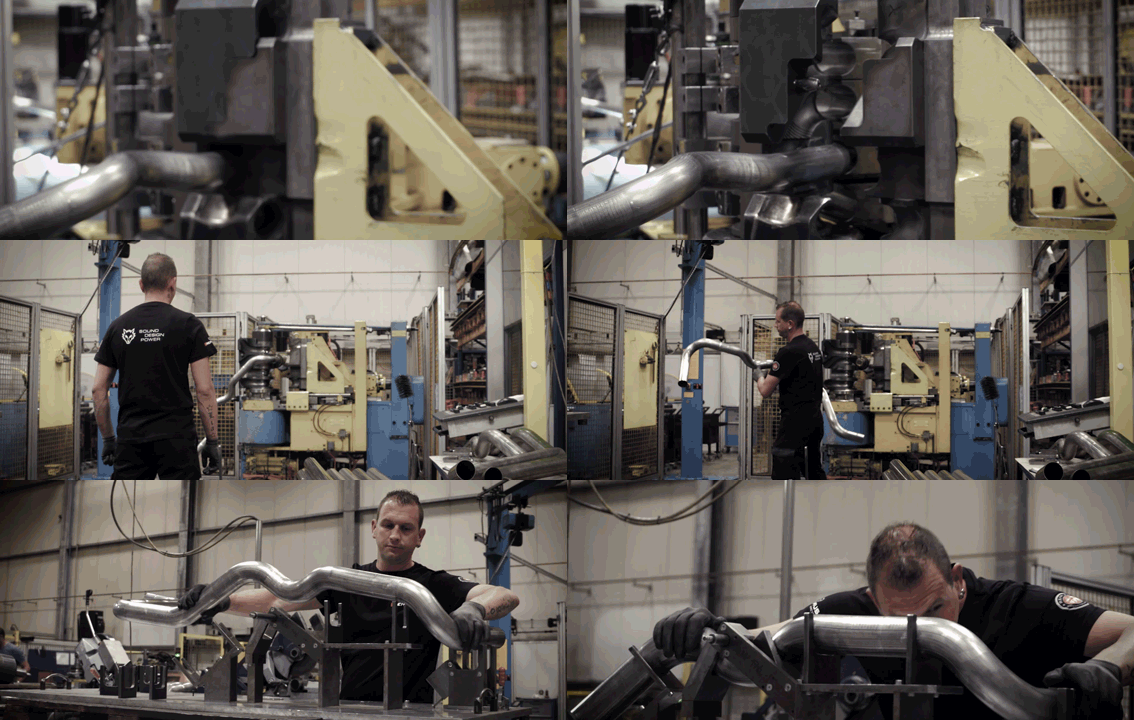
Sufficed to say, you cannot sell an aftermarket exhaust system that would breach these strict verifiable standards in Europe and many parts of Asia. The amount of work and research needed to comply is truly a testament to Remus and their commitment to offering only the highest quality exhaust systems to their customers. The days of no-name branded exhausts are numbered as only manufactures with the time, money, and the knowhow to invest in all this testing equipment are able to continue to succeed in todays tough marketplace.
All this is good news for us automotive enthusiasts as this means the future is bright and we can expect nothing but the best in quality and design from manufactures like Remus. Stay tuned for more updates and we continue this deep dive series from other locations & manufactures throughout Austria and Germany!
If you’re interested in getting a Remus Exhaust, our Mod Experts would be happy to help you verify fitment and help you choose the right exhaust for your car. You can give us a call at 714-582-3330 or email sales@modbargains.com!